

For an ISP, growth is only exciting when the network can absorb it.
More customers mean more bandwidth demand. More bandwidth demand means more pressure on routing, switching, fiber uplinks, point-of-presence (POP) design and customer handoff. If the infrastructure is undersized, growth turns into congestion. If it is overbuilt too early, growth becomes expensive before it becomes profitable.
That is the balance every serious ISP has to manage: increase network capacity while maintaining operational efficiency and protecting profit margins.
MikroTik has earned its place in that conversation because it gives ISPs a practical middle ground. It is not entry-level networking dressed up for carrier use. It is also not the kind of infrastructure that forces operators into heavy capital spending before the business case is ready. For many growing ISPs, MikroTik sits in the space that matters most: powerful enough for serious deployment, flexible enough for staged expansion and commercially sensible enough for competitive markets.
At Optace Networks, we see MikroTik as more than a product line. For ISPs, it is a growth toolkit.
Capacity Is the New Competitive Edge
ISP competition is no longer only about coverage. It is about experience.
Customers expect faster packages, lower latency, stable streaming, reliable business connectivity and fewer excuses when the network slows down. Behind that customer experience sits a chain of infrastructure decisions: the router at the edge, the switch at the POP, the uplink between sites, the optics used for fiber and the way traffic is handed off downstream.
This is where the right MikroTik architecture becomes valuable.
The MikroTik CCR2116-12G-4S+ is well suited for ISPs that need stronger routing capacity at the edge. It gives operators a serious platform for environments where traffic growth, routing workload and uplink demand have outgrown smaller hardware. For ISPs upgrading an overloaded edge, the CCR2116 is a natural step into higher-capacity routing without jumping into unnecessarily expensive territory.
For fiber-heavy environments, the CCR2004-1G-12S+2XS brings a different advantage. Its strength is not copper density. Its strength is optical flexibility. It fits POPs, aggregation points and ISP environments where multiple high-speed fiber links need to be planned cleanly from the start.
The CCR2004-16G-2S+ serves another practical role. Some ISP sites still need a strong mix of Gigabit Ethernet ports and 10G uplink capability. For customer handoff, management networks, smaller POPs or mixed access environments, it gives ISPs a useful balance between copper access and fiber-ready growth.
Each of these routers answers a different ISP question. The point is not to buy the biggest router. The point is to put the right router in the right part of the network.
The POP Is Where Growth Becomes Real
ISP growth often looks simple on paper. Add customers. Add bandwidth. Add coverage.
In practice, growth collects at the POP.
That is where uplinks meet. That is where routers, switches, fiber paths, power planning, management access and customer handoff all become operational realities. A weak POP design can make even good bandwidth look bad.
For compact 10Gigabit aggregation, the MikroTik CRS309-1G-8S+IN is one of the most useful products in this campaign. It gives ISPs a clean way to connect routers, fiber links and downstream equipment in a small but capable 10G switching footprint. It is especially relevant for smaller POPs, server rooms, NOC environments and aggregation points where space and cost discipline matter.
The CRS326-24G-2S+RM is better suited to managed Gigabit access with 10G uplinks. It fits the practical side of ISP operations: customer handoff, monitoring systems, office networks, POP management and mixed copper-fiber access. It is not trying to be the biggest switch in the room. It is trying to be the right switch where structured Gigabit access is still required.
For larger infrastructure sites, the CRS354-48P-4S+2Q+RM gives ISPs more room to work. Its high port count, PoE-out capability and 40G QSFP+ uplink options make it relevant where the network has more endpoints, more access equipment or more powered infrastructure to support. In the right deployment, it can consolidate access-layer switching while leaving room for higher-speed uplinks.
This is where MikroTik becomes commercially sharp. It lets ISPs build POPs that are properly sized, not theatrically oversized.
Fiber Growth Depends on the Details
Routers and switches get the attention. Optics and interconnects quietly decide whether the deployment works cleanly.
A good ISP rollout needs the right SFP modules, DAC (Direct Attach Copper) cables and uplink accessories from the beginning. These are not accessories in the casual sense, but part of the network path.
The MikroTik S+31DLC10D is a practical 10G single-mode fiber module for ISP links where reliable optical connectivity is required. It belongs in conversations around POP interconnects, fiber backbones, distribution links and infrastructure connections that need stable 10G performance.
For short rack interconnects, the XS+DA0003 Direct Attach Copper (DAC) cable is the cleaner option. It helps connect compatible MikroTik routers and switches over short distances without unnecessary optical conversion. In the right rack environment, DAC cabling can reduce cost, simplify installation and keep the interconnect layer tidy.
The XQ+31LC02D should be positioned more selectively. It is a 100G QSFP28 optic for compatible MikroTik 100G environments, not a general-purpose module for every router or switch in this campaign. For ISPs planning future 100G infrastructure, it is worth understanding early. For today’s 10G and 25G expansion, it should be specified only where the hardware supports it.
That distinction matters. ISP procurement should not be reduced to “add modules.” Compatibility, distance, speed and device support all matter. This is one area where Optace Networks can help operators avoid small mistakes that create large rollout delays.

Better Margins Come from Better Matching
In ISP networks, the cheapest device is rarely the cheapest decision.
An under-sized router can cost money through congestion, support tickets, emergency replacements and customer churn. An oversized deployment can trap capital in sites that are not ready to justify it. The better approach is disciplined matching.
Use the CCR2116-12G-4S+ where edge routing pressure is real. Use the CCR2004-1G-12S+2XS where fiber density and high-speed uplinks define the site. Use the CCR2004-16G-2S+ where Gigabit access and 10G uplinks need to work together.
Use the CRS309-1G-8S+IN for compact 10G aggregation. Use the CRS326-24G-2S+RM for managed Gigabit access. Use the CRS354-48P-4S+2Q+RM where port density, PoE and uplink headroom become important.
This is the kind of product selection that protects margins. Not because it cuts corners, but because it avoids paying for the wrong thing.
Faster Rollout Requires Repeatable Building Blocks
The fastest ISPs are not always the ones with the most hardware. They are the ones with the clearest deployment patterns.
A repeatable MikroTik stack can help an ISP standardize how it builds POPs, upgrades edge routing, handles fiber aggregation and connects customer-facing infrastructure. That makes procurement easier. It also makes installation, documentation, support and future expansion more predictable.
A high-capacity edge site may be built around the CCR2116-12G-4S+, with CRS309-1G-8S+IN for 10G aggregation and S+31DLC10D modules for fiber links.
A fiber-heavy POP may lean toward the CCR2004-1G-12S+2XS, supported by the right SFP+ modules and short DAC interconnects where devices sit in the same rack.
A Gigabit-heavy site may pair the CCR2004-16G-2S+ with the CRS326-24G-2S+RM for cleaner managed access.
A larger infrastructure site may justify the CRS354-48P-4S+2Q+RM, especially where access ports, powered devices and uplink flexibility need to be consolidated.
These are not rigid bundles but practical starting points. The right combination depends on traffic, topology, link speed, power requirements, rack layout and long-term network growth planning.
Build Capacity with Discipline
ISPs do not need more noise around networking hardware. They need a supplier that can help translate growth requirements into the right equipment.
Optace Networks is a Master Distributor/Value Added Distributor of MikroTik routers, switches, SFP modules, DAC cables and related accessories for ISPs building practical, scalable networks. More importantly, we help operators think through the match between product and role.
That means looking beyond the model number. What is the site meant to do? How much uplink capacity is required? Is the POP copper-heavy or fiber-heavy? Is this an edge routing problem, an aggregation problem or an access-layer problem? Are you planning for 10G today, 25G soon or 100G later?
Those questions matter because ISP infrastructure is not bought in isolation. It becomes part of a service promise.
We recommend MikroTik to high-growth ISPs as a strong route to expansion: more capacity, flexible deployment and better cost control. The key is not just choosing MikroTik, but choosing the right MikroTik products for the right parts of the network.
For ISPs expanding POPs, upgrading edge routers, adding fiber links or improving customer handoff, Optace Networks can support the process with MikroTik routing, switching and fiber solutions that match real deployment needs.
Growth should not force an ISP into wasteful spending. It should create a smarter network.
Talk to us for MikroTik solutions built around ISP capacity, margin protection and faster rollout
Latest Articles
Wed Sep 09 2026
Planning Internet Failover with Netgate and pfSense PlusFri Aug 28 2026
Fuzion FTP-300 for Outdoor IoT and Surveillance NetworksRelated Articles
.jpg)
ePMP 3000 - 5X Performance with Gen3 Technology
-(1).png)
Africa Tech Festival Displays Strides in Connectivity and Telecommunications Infrastructure across Africa
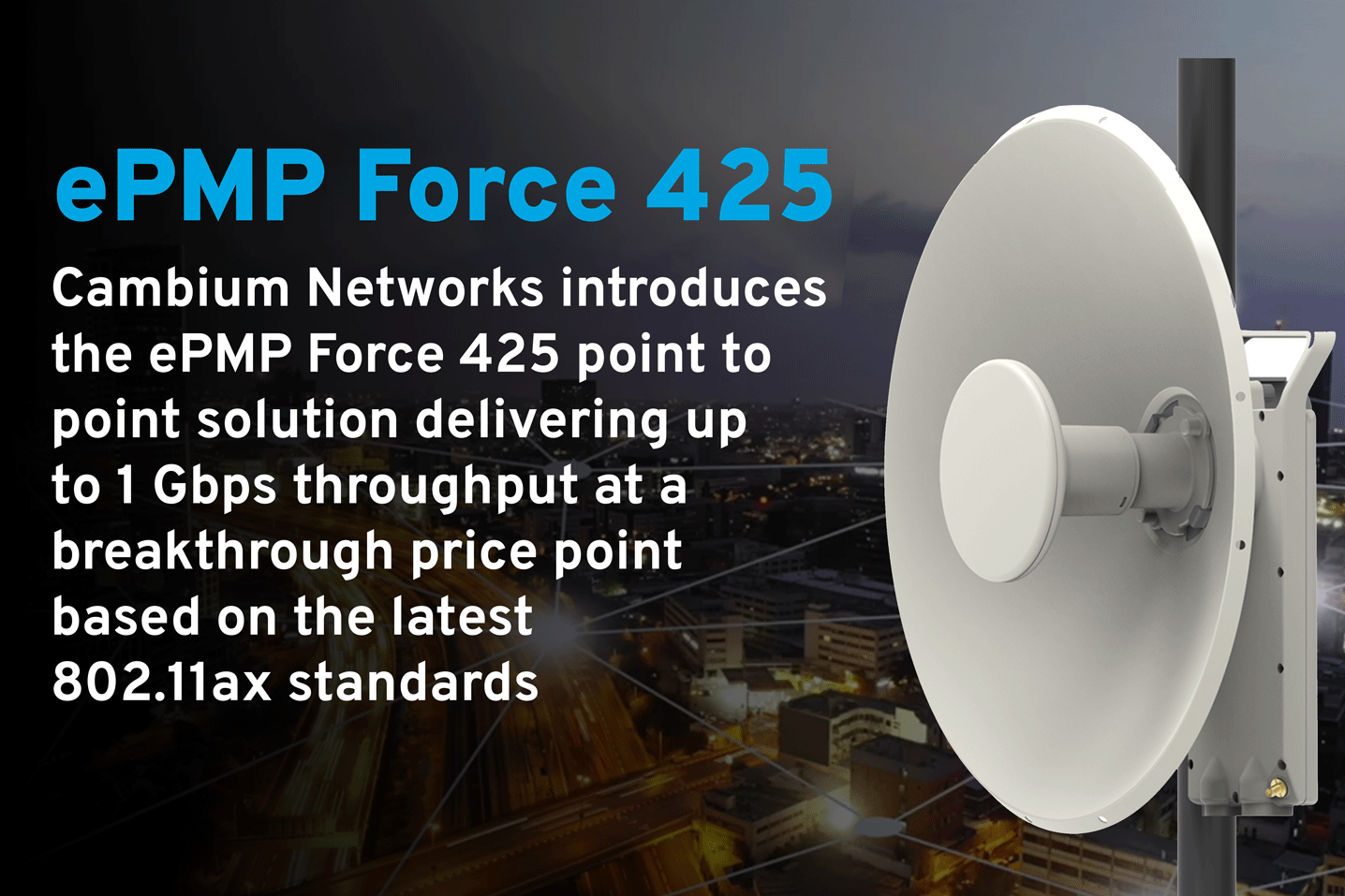
Cambium Networks ePMP Force 425 - The Industry’s First Point-to-Point Solution Based on 802.11ax
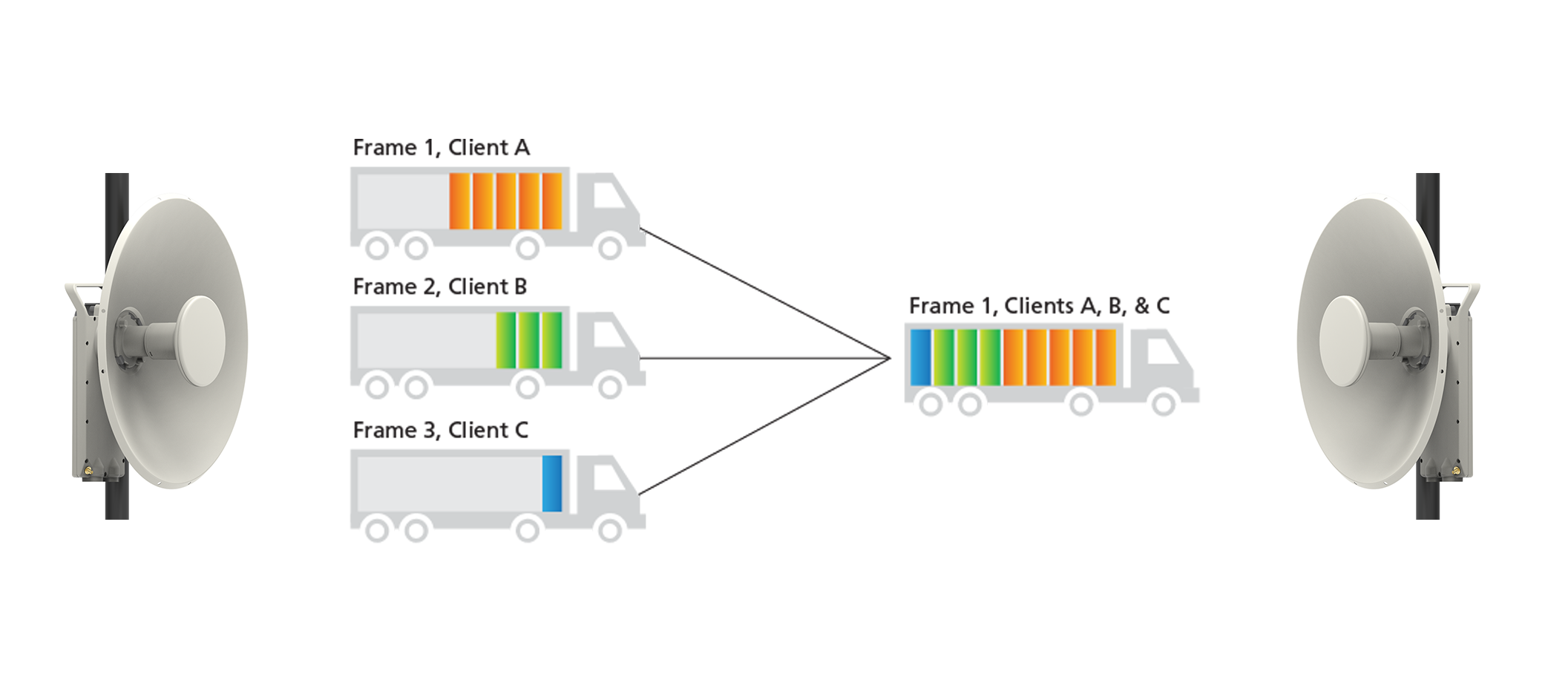
The Power of OFDMA in Wireless Broadband
In this article, we delve into the principles of OFDMA, the defining principle of the 802.11ax standard, its applications, and its impact on wireless broadband.



© 2026 PoweredbyOptace Networks Limited. All Rights Reserved.