

By Dominic Sakwa, Telecommunications Engineer
Over the past few years, network connectivity has expanded across more public spaces, from urban centers to remote regions. More communities are being brought online, and digital platforms are playing a greater role in how governments deliver services. That progress matters.
But expansion raises a more important question: is coverage alone enough?
Coverage Is the First Step, Not the Final One
Reaching more people is an essential milestone. It supports digital inclusion, improves access to services, and helps public institutions operate more efficiently. But being connected is not the same as being reliably connected.
In real deployment environments, the harder challenge is not simply extending the network. It is maintaining stable, consistent performance over time. A network may be available on paper, yet still fail to deliver dependable service when demand rises, conditions worsen, or infrastructure is pushed beyond its original assumptions.
That is where the conversation must change. Coverage is a starting point. Reliability is what determines whether that coverage delivers real value.
The Reality of Public Network Infrastructure
Public-sector networks rarely operate under ideal conditions. They extend across administrative buildings, roadside installations, border points, public facilities, and remote community locations. These are environments where power instability, environmental exposure, long transmission distances, and uneven demand all shape performance.
As coverage expands, maintaining network consistency becomes more complex. What works in a central office or controlled indoor setting does not automatically hold up in outdoor, distributed, or hard-to-reach deployments.
This is the reality of large-scale infrastructure. The wider the footprint, the greater the need for design decisions that account for field conditions, long-term operation, and sustained service expectations.
Where Reliability Is Usually Tested
Reliability issues do not appear at the beginning in many expanding networks. They emerge later as usage increases, sites multiply, and expectations rise.
A connection that performs well under light demand may struggle during peak periods. Infrastructure planned around short-range assumptions or nearby power may become inconsistent in less accessible locations. Systems built for initial rollout may not be resilient enough for long-term scale.
These are not random breakdowns. They are signs that the network has outgrown its original design assumptions.
That distinction matters. A network can appear successful at launch and still become unstable over time if resilience, maintainability, and scale were not built into the infrastructure from the start.
Reliability as a Foundation for Service Delivery
Reliability is not just a technical benchmark for public infrastructure. It supports essential services, enables secure communications, and builds confidence in digital systems.
When networks perform consistently, service delivery becomes seamless. Citizens access platforms without disruption. Agencies communicate without interruption. Critical systems do what they are expected to do, without drawing attention to the infrastructure behind them.
When networks do not perform reliably, even briefly, the impact is immediate and visible. Delays increase. Access becomes inconsistent. Trust in digital systems begins to weaken.
That is why uptime, resilience, and long-term infrastructure stability are not simply engineering targets, but a part of delivering public value.

Looking Beyond Expansion to Long-Term Performance
The next priority is not just wider reach, but also stronger infrastructure performance over time.
That means rethinking how networks are powered, how they are extended into outdoor and remote environments, and how they respond to rising demand without repeated intervention. It means planning for continuity, not just deployment. It means designing infrastructure that can absorb operational pressure without losing consistency.
Infrastructure built with these realities in mind is easier to maintain, scales more predictably, and delivers more dependable performance across a broader footprint. In the long run, that is what separates a network that merely exists from one that consistently supports service delivery.
Building Infrastructure That Can Scale Reliably
Beyond reaching more locations, the next phase of public connectivity is about ensuring those connections remain stable, usable, and resilient under real operating conditions.
The real shift is from expansion to resilience because over time, reliable infrastructure is what turns connectivity into consistent service delivery. Without that reliability, coverage remains fragile. With it, connectivity becomes something institutions can build on with confidence.
Planning for Long-Term Reliability with Optace Networks
At Optace Networks, we support public-sector teams in designing infrastructure that performs reliably beyond initial rollout. Our approach reflects the realities of field deployment, including environmental exposure, power constraints, site distribution, and long-term scalability.
By aligning infrastructure decisions with actual operating conditions, we help build networks that are more resilient, easier to maintain, and better prepared for sustained demand. The objective is not just to expand connectivity, but to strengthen the infrastructure that keeps it working when it matters most.
Talk to us about designing resilient infrastructure for your next public connectivity deployment.
Latest Articles
Wed Oct 14 2026
Netgate 8300 for High-Capacity Firewall and VPN DeploymentsFri Sep 18 2026
How to Size a Netgate Firewall for Your Business NetworkWed Sep 09 2026
Planning Internet Failover with Netgate and pfSense PlusFri Aug 28 2026
Fuzion FTP-300 for Outdoor IoT and Surveillance NetworksRelated Articles
.jpg)
ePMP 3000 - 5X Performance with Gen3 Technology
-(1).png)
Africa Tech Festival Displays Strides in Connectivity and Telecommunications Infrastructure across Africa

Cambium Networks ePMP Force 425 - The Industry’s First Point-to-Point Solution Based on 802.11ax
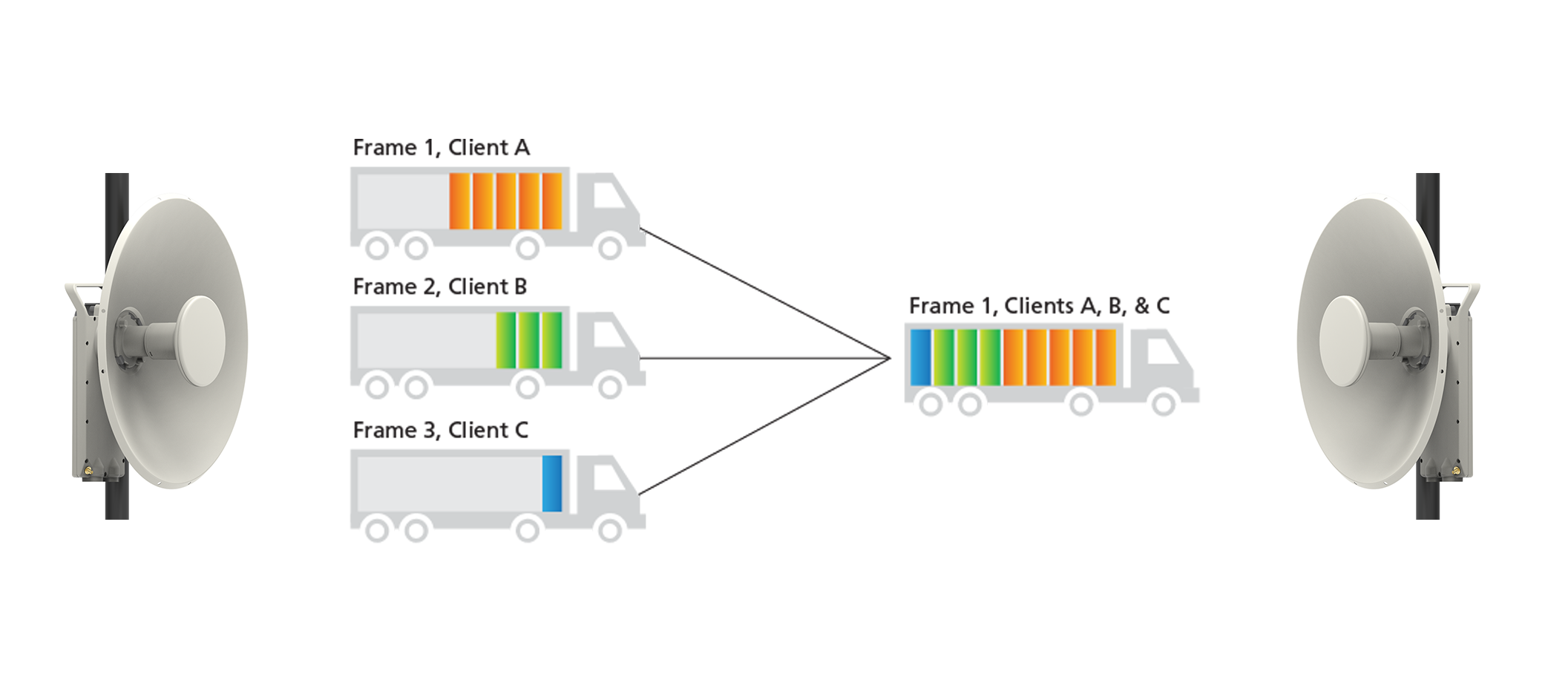
The Power of OFDMA in Wireless Broadband
In this article, we delve into the principles of OFDMA, the defining principle of the 802.11ax standard, its applications, and its impact on wireless broadband.



© 2026 PoweredbyOptace Networks Limited. All Rights Reserved.